Music doesn’t run in my family. Sure, there was music at the synagogue, music on the radio, and my parents’ late-80s obsession with Madonna and Paul Simon. But while my brother casually played the guitar, I couldn’t wait to pick up an instrument of my own.
Why the bagpipes? Maybe I wanted to annoy my parents in new ways, or maybe it was just a tactile obsession with making things happen with my hands. I started when I was fourteen, after a year of begging to learn. In Mexico City, where I grew up, there were probably only five or six people who played them. It was a challenging instrument to learn—it still is. Yet, after a year of hard work, I was playing everywhere from small bar gigs to TV spots.
My original band was never about competing; it was about bringing the instrument alive and sharing emotions. The bagpipes are visceral. Even today, wearing hearing protection, I can feel the physical impact a circle of pipes has on even the most experienced musician. It’s powerful, emotional, and incredibly loud (sometimes pushing 120 decibels).
We played for people from all walks of life. People with lots of money and whiskey running through their veins. People who covered their ears and ran away. People who stood frozen, and people who asked awkward questions about grown men wearing skirts. You never know what the pipes will bring out in someone. We played in a church after 9/11, and my rabbi cried. It’s just an instrument that breaks down walls.
Then came college at Macalester. It was my first time in a competitive band that demanded perfection, at a school that demanded the exact same. I was trying to learn Chinese and the bagpipes simultaneously. I couldn’t remember the characters; I couldn’t remember the tunes. The pressure mounted, and I just couldn’t cope. I couldn't even face my Pipe Major—a good friend and great character.
I walked away for almost fifteen years. I sold my pipes, paid my mother what I owed her for them, and moved on, thinking I'd never go back.
A few years ago, I decided to return. Thanks to some good SEO, I quickly found my current band, Minnesota Pipes and Drums. They became my constant source of friendship and support. We’re an eclectic bunch: wealthy lawyers, quirky cops, lots of programmers for some reason, and even a guy who makes his own bagpipes. Our Pipe Major is a woman, and we’re incredibly proud of our group.
What binds us isn't just the music; it's the community. We play parades, discuss how to make our city better, and make terrible jokes about drummers. We play for huge crowds, and we play impromptu tunes for kids who run away from the sheer volume. We compete, and we win. But it’s not about perfection. It’s about uniting us all in a quirky way (and giving each other mild hearing damage).
Recently, I’ve been reflecting on the true purpose of this community.
Not long ago, when I was living in Tangletown, Minneapolis, our bright, diverse neighborhood was rocked by a school shooting. I lived just blocks away and had friends with children there. The heartbreak was palpable. I knew I couldn’t stay silent.
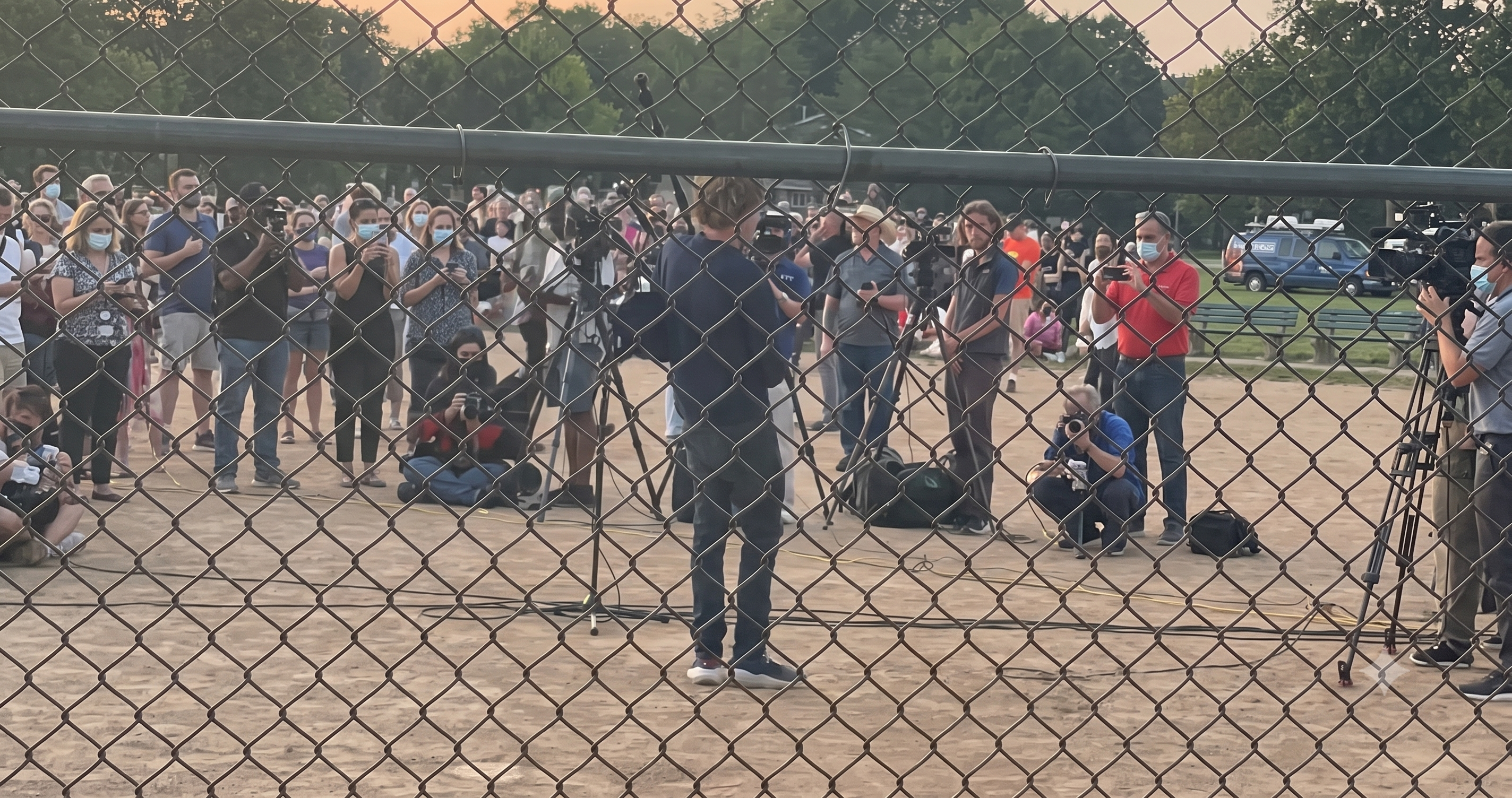
I grabbed my bagpipes and went to a community vigil at the park. I was terrified. I didn’t want to wear my kilt, I didn't want to draw attention to myself, and I definitely didn't want to tremble and play terribly. I held my pipes tightly to my chest, irrationally worried someone in the dark might think it was a rifle. I approached the organizers, and they warmly welcomed me to play alongside a gentle piano player.
My pipes were barely tuned, and I was shaking and sweating. But I brought them up and played Amazing Grace. It’s the second tune any piper learns, but it speaks across languages, religions, and borders. I was too busy focusing on my fingers to look at the crowd, but when I finished, I was met with hugs, gratitude, and a deeply united community.
I didn't stay for the full ceremony, and I never gave them my name. I didn’t want the recognition. I just wanted to be there for my neighbors using a gift my mother indulged me with years ago. It reminded me exactly why I play in a band that cherishes the post-practice chats more than the practice itself.
It has been over a year since that day, and our wider community has faced even more heartbreak and violence. It’s hard not to feel cynical when things seem to get worse. But we have to keep hope alive.
If you have something you can bring to your community—no matter how quirky, loud, or imperfect—bring more of it. Rely on those around you. Allow yourself to share your happiness, your sadness, and everything in between. You’ll be pleasantly surprised by what happens when you do.